

Violence against women remains one of the most deeply rooted and persistent problems in the entertainment industry, mirroring a global human rights crisis that the United Nations describes as “alarmingly far” from being resolved. As the world marks the International Day for the Elimination of Violence Against Women, new UN warnings and decades of academic and union research show that abuse inside film, television, music, theatre and digital media continues at systemic levels.
A recent United Nations statement (UNIS/CP/1192) underscores the urgency of the moment, calling gender-based violence “one of the most prevalent human rights violations” and cautioning that the world is still “alarmingly far” from eliminating it. One woman or girl is killed every 10 minutes by their intimate partner or a family member, according to UN findings — a figure that reflects the extreme, often hidden violence occurring in private spaces. With one in three women globally experiencing some form of violence, the entertainment sector functions not as an exception but as a mirror of a wider crisis. Inside showbiz, the numbers are equally stark, shaped by power structures that remain deeply unbalanced and historically resistant to accountability.

Academic studies and union surveys across the global entertainment workforce reveal a consistent pattern: women face high levels of sexual harassment, coercion, bullying, discrimination and retaliation, both on-set and behind the scenes. Research from institutions such as the University of Southern California, the International Labour Organization, the Geena Davis Institute, BECTU, SAG-AFTRA, and global performing-arts unions underscores that the problem is neither isolated nor limited to specific countries. Instead, it operates across all sectors of entertainment and at every stage of a woman’s career.

The #MeToo movement brought these long-standing patterns to public awareness, but researchers emphasize that the fundamental structures enabling abuse have not disappeared. Reports demonstrate that independent productions often lack formal safety protocols, while freelance workers — who make up a significant share of the entertainment workforce — frequently have no access to secure reporting systems or legal protections. Meanwhile, online harassment has surged, creating a new layer of digital violence that disproportionately targets women in public-facing roles.
The global nature of the industry complicates enforcement. Productions take place across multiple jurisdictions with varying labor laws, cultural norms and legal protections. Union research indicates that many women do not report abuse due to fear of retaliation, career damage or inadequate institutional support. This aligns with the UN’s finding that violence is often “normalized, hidden or dismissed,” particularly in sectors where economic precarity and competition for roles intensify vulnerability.
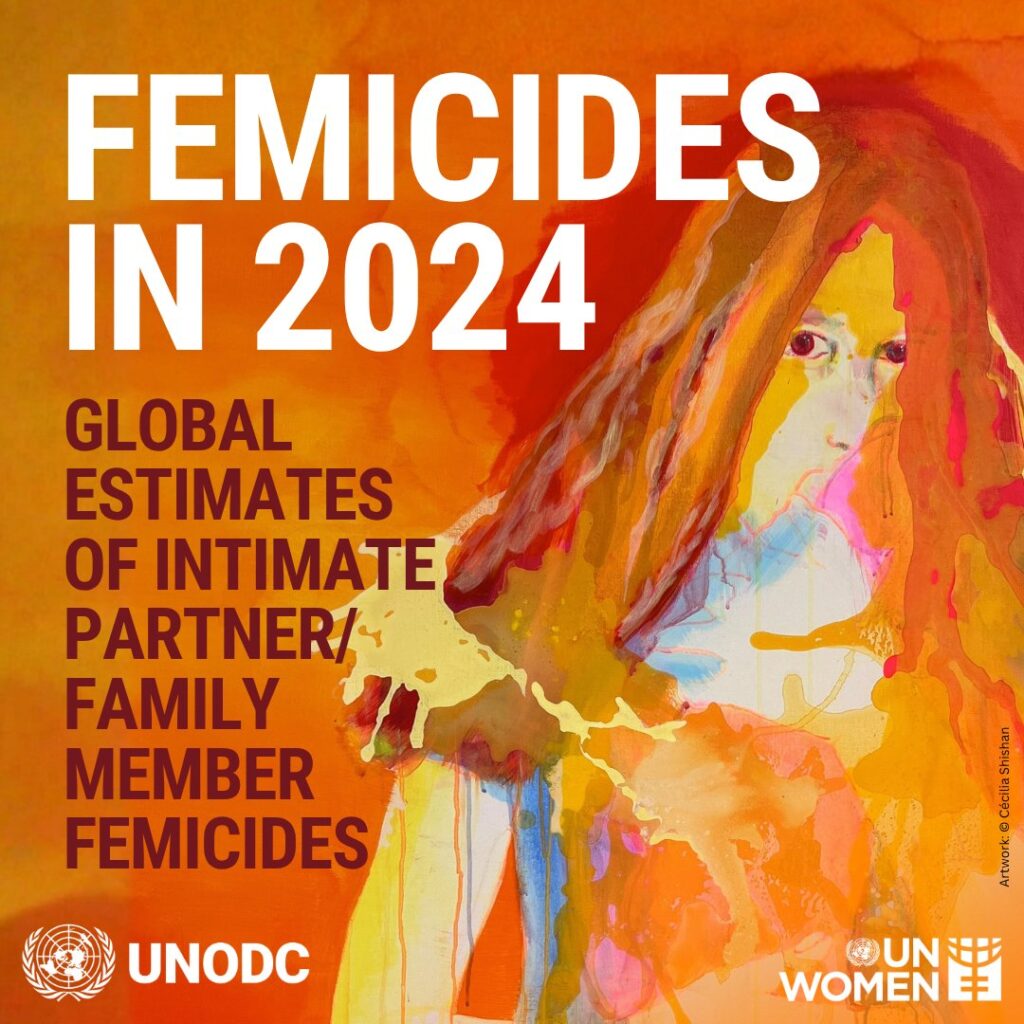
The United Nations stresses that meaningful progress requires systemic change: stronger accountability frameworks, survivor-centered reporting pathways, consistent safety standards across productions, and adequate funding for prevention and response programs. Academic literature supports this view, noting that structural reforms — rather than individual punishments — are the only way to shift deeply embedded industry norms.
You may also like ► Abuse, resilience, and survival: Netflix’s most powerful stories on violence against women
Entertainment is a cultural force with global reach. Its internal policies influence not only those who work within the industry but also the narratives that shape public understanding of gender, power and justice. As the UN highlights, eliminating violence against women is not simply a workplace issue but a global priority requiring coordinated action from governments, institutions and industries — including showbiz.
Whether the progress sparked by #MeToo evolves into lasting structural transformation depends on what happens next: stronger protections, reliable enforcement and a commitment to cultural and institutional change that places women’s safety at the center of the industry’s future.
The Scale of the Problem: What Data Shows About Violence in the Entertainment Industry
Research from global unions, advocacy groups, and academic studies highlights a pattern that spans continents:
- 65% of women working in film and television report experiencing sexual harassment or assault.
- More than 70% of female performing artists say they have faced workplace abuse or coercion during their careers.
- In the music industry, 4 in 5 women report harassment, and more than half say they fear retaliation if they speak out.
- Behind the camera, female directors, crew, editors, and writers report widespread bullying, intimidation, and economic retaliation.
These findings align with UN evidence that violence is often “normalized, hidden or dismissed,” fueled by power imbalances and a persistent culture of silence.
