
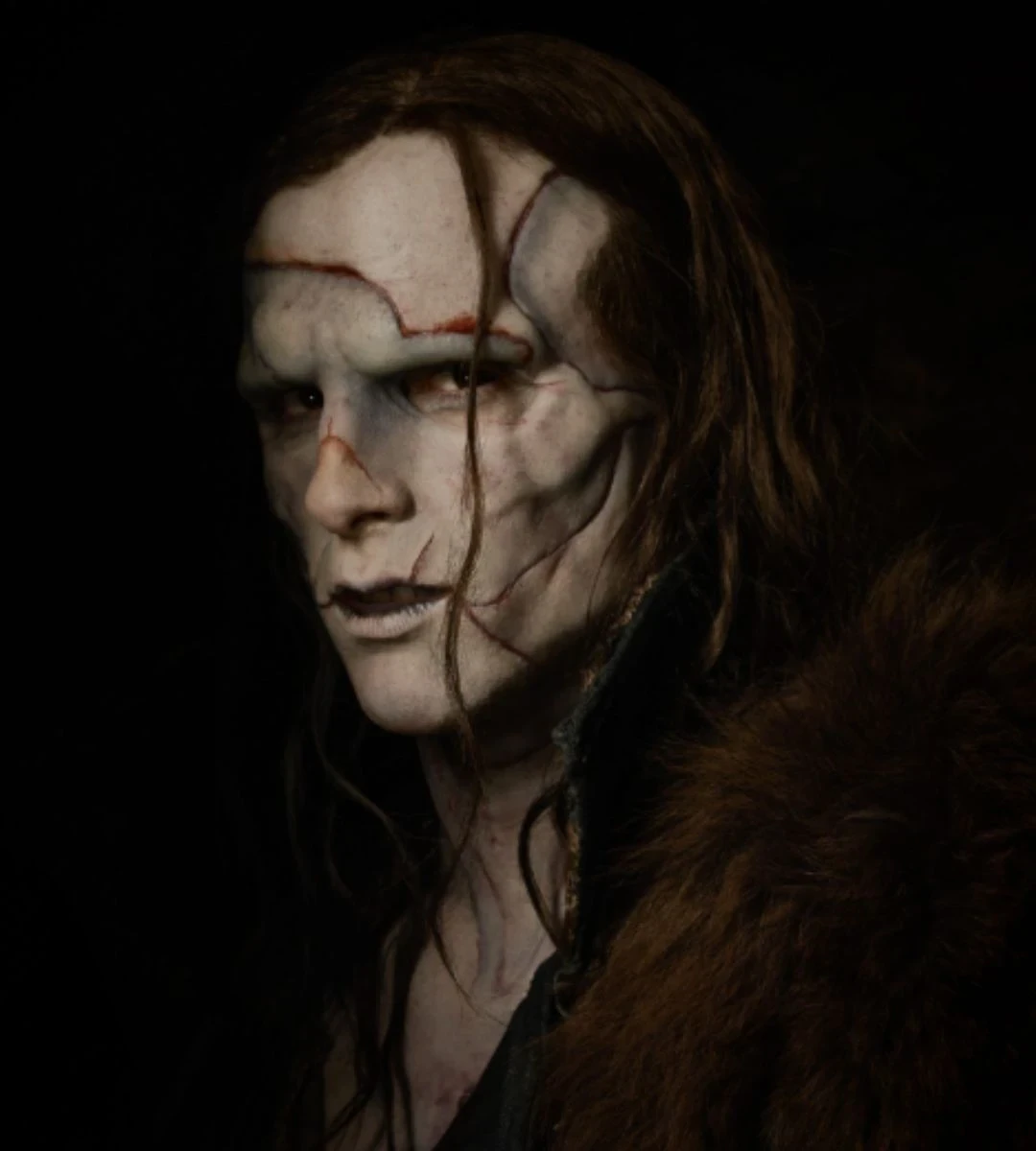
Not that anyone needed more proof of his visionary talent, but Guillermo del Toro has done it again. With Frankenstein, the Mexican auteur breathes new life into the monster’s myth, now streaming on Netflix (here is our review). Filmed across real locations in Scotland, England, and Canada, the movie builds a world suspended between science and sorrow, capable of embodying the torment and solitude of Victor Frankenstein.
You may also like ► Jacob Elordi’s “monstrous” transformation in Guillermo del Toro’s Frankenstein
The locations of Frankenstein: between reality and gothic vision
For his new adaptation of Mary Shelley’s Frankenstein, Guillermo del Toro chose real locations across the United Kingdom and Canada, integrating them with handcrafted sets and minimizing digital effects. The result is a visual universe suspended between reality and imagination, where every environment reflects the protagonist’s inner turmoil.
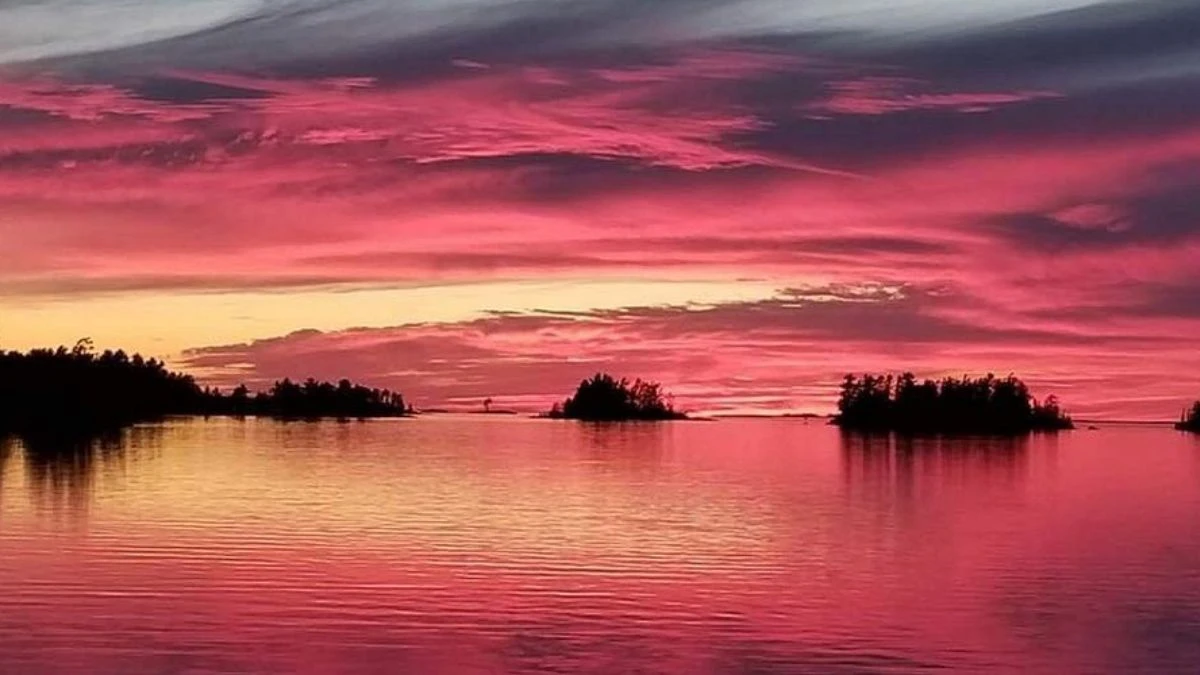
Nipissing Lake (Ontario)
The film opens in the “Farthermost North” of 1857, with the crew of the ship Horisont battling relentless nature. Filming took place on Nipissing Lake in Ontario to capture the arctic atmosphere without resorting to CGI. Del Toro recreated a mechanical naval set capable of swaying like a real vessel, delivering extraordinary physical and visual realism.
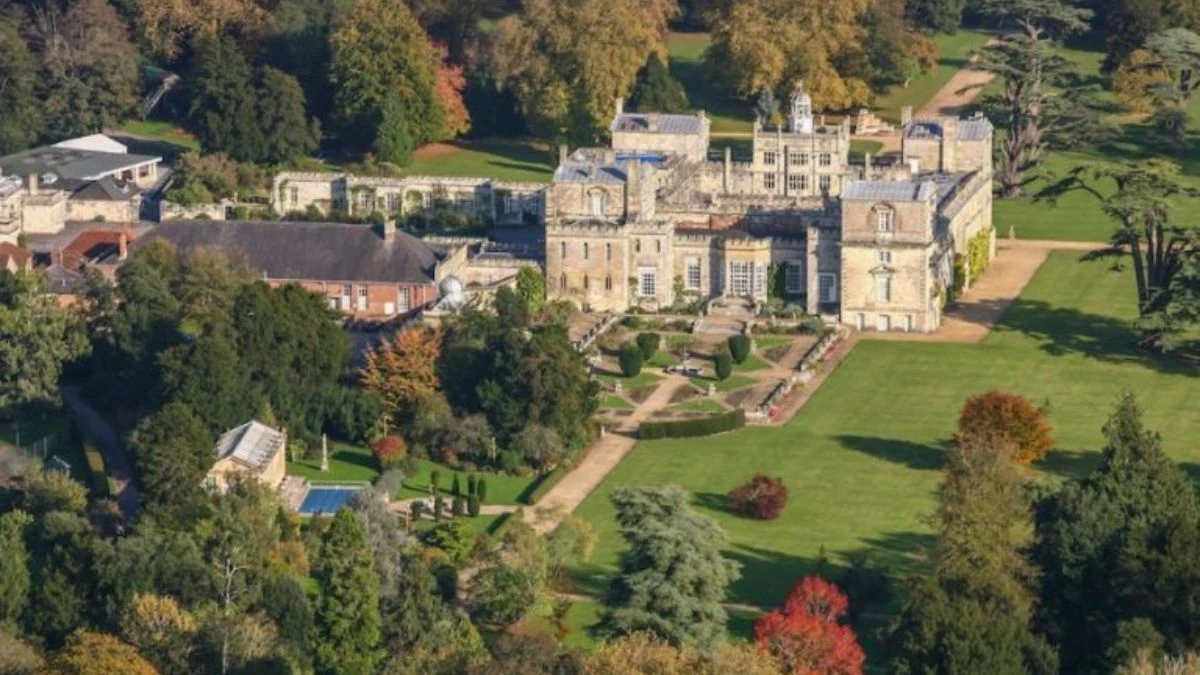
Victor Frankenstein’s residence
The protagonist’s house is a fusion of four historic British residences:
- The facades and some austere interiors are from Gosford House (East Lothian, Scotland), previously used in Outlander.
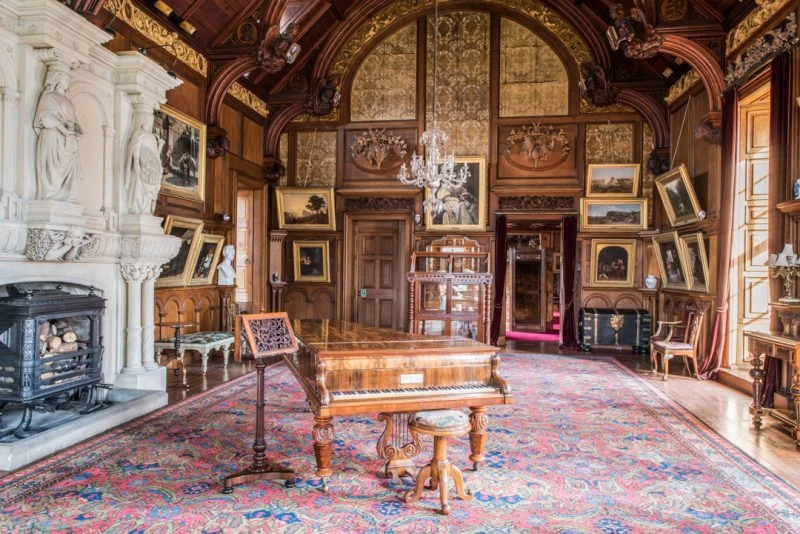
- The most refined scenes take place in the Double Cube Room of Wilton House (Wiltshire), adorned with Van Dyck portraits and known from series like The Crown and Bridgerton.
- The Bow Room of Burghley House houses Victor’s bedroom, frescoed in 1697 by Louis Laguerre.
- Additional shots were filmed in the Heaven Room, famous for Antonio Verrio’s Baroque paintings.
Frankenstein’s library
For the library scene, del Toro transformed the ballroom of Dunecht House (Scotland) into an imposing Victorian library, with vaulted stained glass and endless shelves. Here Victor contemplates the thin line between life and death.
Edinburgh, the visual heart of the film
The medieval architecture of Edinburgh represent the film’s visual soul. Locations such as Canongate Tolbooth, Bakehouse Close, Parliament Square, St Giles’ Cathedral, and Lady Stair’s Close serve as backdrops for key scenes: processions, funerals, and moments of introspection. The grand ball takes place in the Signet Library, while the Royal College of Medicine inspired the anatomical theater recreated on set.
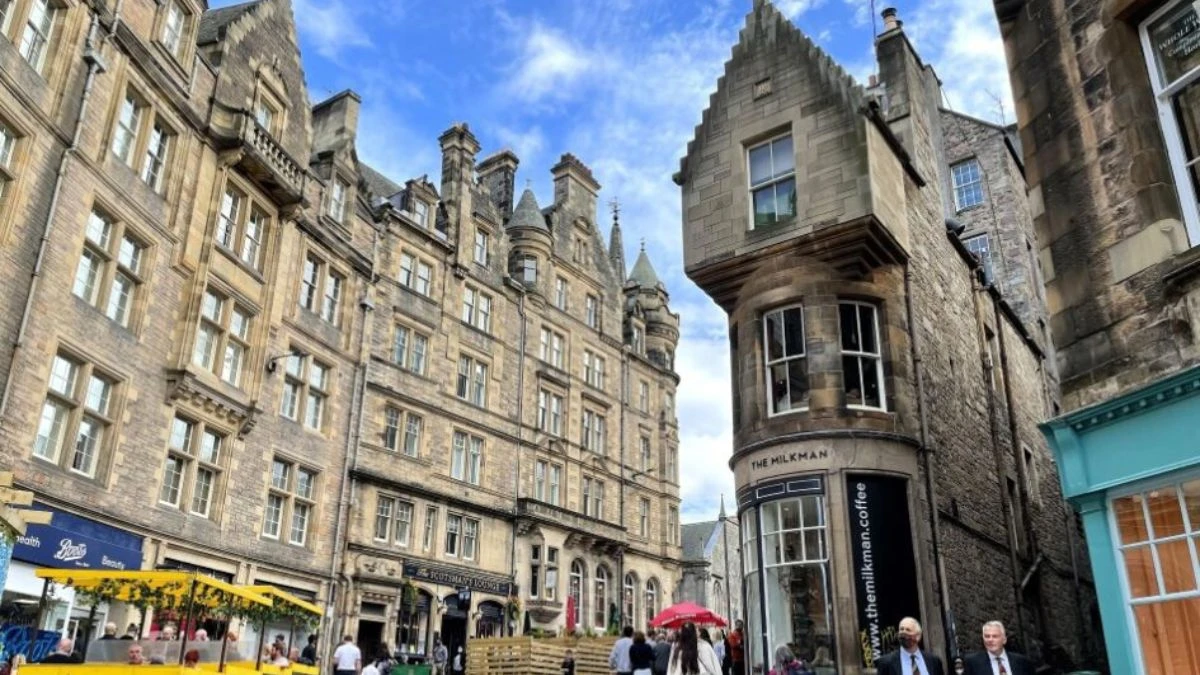
Hospitalfield House
The sequences set in the home of patron Heinrich Harlander (played by Christoph Waltz) were shot at Hospitalfield House in Arbroath, with its stained glass windows and Victorian corridors evoking decay and mystery. The Great Hall of Burghley House becomes Harlander’s lavish dining room, featuring dark woods and Renaissance tapestries.
Frankenstein’s tower
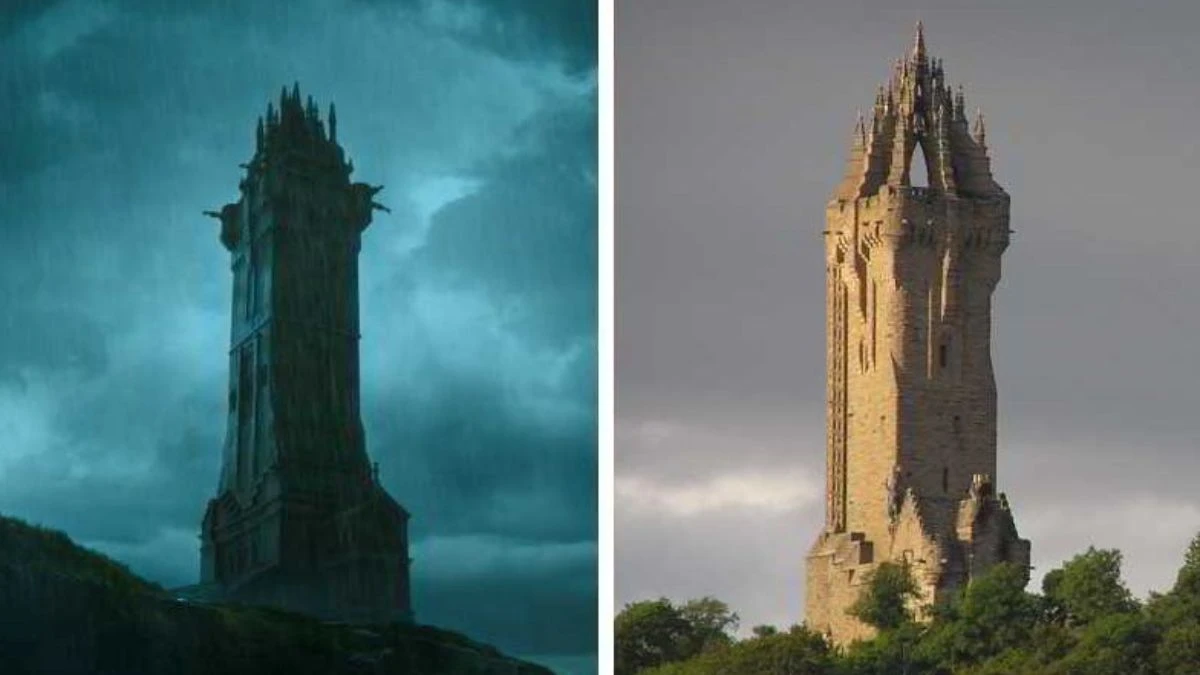
The laboratory where the Creature comes to life is one of the most iconic sets. The tower base was built in Markham, near Toronto, while the top is inspired by the National Wallace Monument in Scotland. The interiors — labs, spiral staircases, experiment rooms — were entirely recreated in studio across eight distinct sets, creating a tangible and immersive gothic atmosphere.
Seacliff Beach and the Canadian forests
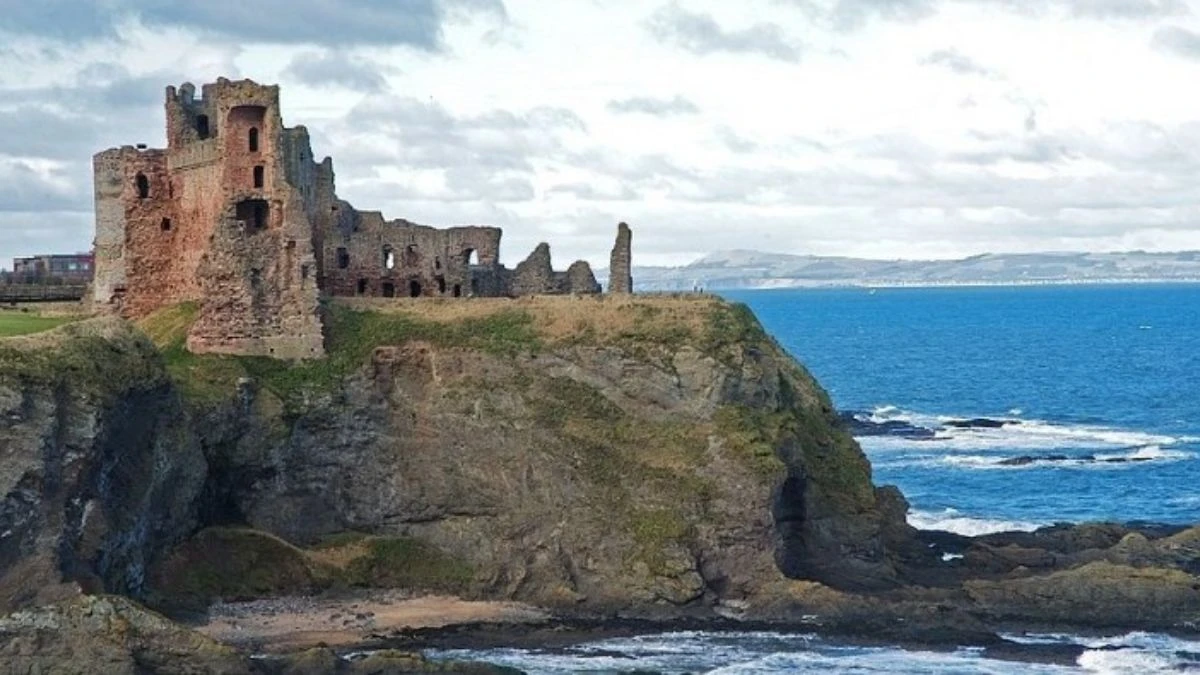
One of the most poetic sequences shows the Creature alone on Seacliff Beach, in front of the ruins of Tantallon Castle. The forest scenes were filmed in the Rockwood Conservation Area (Ontario), symbolizing the monster’s search for freedom and identity.
Scotland and Canada: also a culinary set
And here’s a charming tidbit from the set. For del Toro, food is a universal language: a way to create bonds and unite the crew during moments of intense creativity. So, during filming, the crew explored two distinct culinary worlds. In Scotland, haggis, smoked salmon, and local whisky; in Canada, comfort foods like pancakes with maple syrup, poutine, and smoked meats.
