
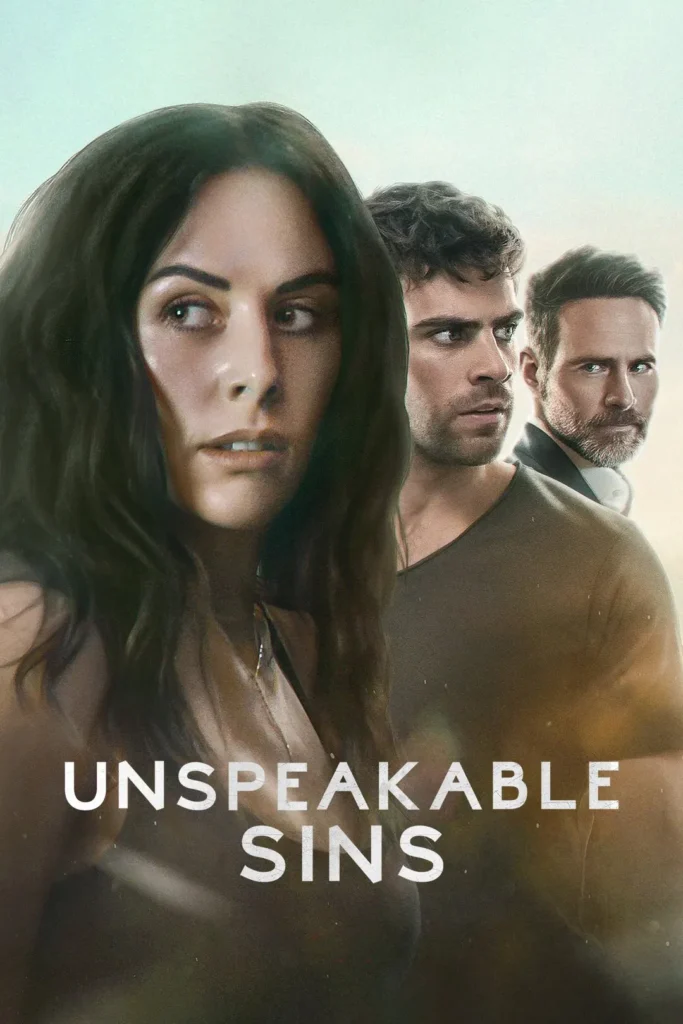
Some Netflix series explode at launch. Others take their time — building week after week until they become a full-blown streaming phenomenon. Unspeakable Sins belongs to the second category. After debuting on Netflix USA and Netflix UK on July 30, 2025, the Spanish-language thriller has become one of the platform’s most persistent chart climbers, returning to the Top 10 across multiple regions months after release.
Viewers can’t get enough of its intoxicating mix of betrayal, passion, psychological tension, and escalating danger. Between its telenovela roots and its sleek thriller execution, the series delivers a kind of emotional intensity that keeps audiences recommending it long after the credits roll. This sustained momentum has turned Unspeakable Sins into one of Netflix’s most-discussed global titles of the year. Here is everything to know about Unspeakable Sins — from the plot and cast to rankings, themes, and why it continues to dominate social conversation months after release.

Unspeakable Sins: All the Key Details
- Title: Unspeakable Sins
- Original title: Pecados Inconfesables
- Format: Series
- Length: 18 episodes (approx. 35–45 minutes each)
- Genre: Thriller / Drama
- Country of production: Mexico
- Original language: Spanish
- Release date (USA): July 30, 2025
- Release date (UK): July 30, 2025
- Creator: Leticia López Margalli, Guillermo Ríos
- Lead cast: Zuria Vega, Andrés Baida, Erik Hayser
- Platform: Netflix
- Produced by: Mar Abierto Productions
What Unspeakable Sins Is About
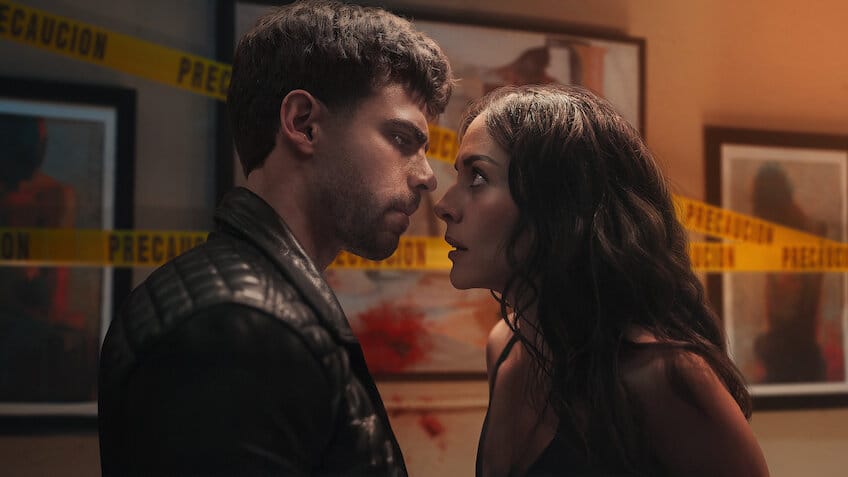
Unspeakable Sins centers on Helena Rivas, a woman trapped in a marriage built on control, dominance, and carefully hidden violence. Desperate for freedom and terrified of the consequences, she enters a dangerous affair with a younger man — a decision that becomes the catalyst for a series of escalating betrayals, high-stakes secrets, and irreversible choices.
The show thrives on pressure: the emotional pressure of forbidden love, the psychological toll of manipulation, and the looming threat of discovery. It blends the heightened emotions of a telenovela with the razor-sharp suspense of a thriller, creating a narrative where every decision feels like stepping deeper into a labyrinth with no safe escape. The tension intensifies episode by episode, drawing the viewer into a world where survival, desire, and power collide violently.
You may also like ► The rise of the Queen of Tejano: Selena y Los Dinos hits Netflix Top 10

Cast and creative team
Zuria Vega commands the screen as Helena, delivering a layered performance that blends vulnerability with rising defiance. Andrés Baida brings emotional volatility and youthful charisma to Iván, while Erik Hayser’s chilling portrayal of Claudio anchors the series with a controlled menace that constantly simmers beneath the surface.
The series was created by Leticia López Margalli and Guillermo Ríos, who previously worked on emotionally charged, character-driven dramas. Produced by Mar Abierto Productions in Mexico, the show combines local authenticity with Netflix’s global storytelling sensibility.
Reactions and buzz
Months after its premiere, the energy around Unspeakable Sins shows no signs of slowing. The series has displayed exceptional staying power, re-entering Netflix’s Top 10 in both the United States and the United Kingdom long after its debut. In the UK, it climbed as high as #2, while in the US it has repeatedly resurfaced in the Top 10 — a rare feat for an international Spanish-language series.
Viewership analytics indicate strong sustained performance throughout late summer and early autumn, with millions of additional streams well beyond the initial launch window. The show’s momentum has been fueled by organic word-of-mouth, repeat viewing, and a steady surge of social media conversation.
Critics now acknowledge its addictive storytelling, emotional ferocity, and the way it merges melodrama with thriller pacing. Audiences praise its cliffhanger structure, its morally ambiguous characters, and the volatile chemistry between its leads. Rather than fading after release, Unspeakable Sins has evolved into a long-term, slow-burn success — the kind of series that keeps circulating because viewers can’t stop recommending it.
Is Unspeakable Sins based on a true story?
No. The series is an original work created by Leticia López Margalli and Guillermo Ríos. It is not based on a novel, podcast, or real events. However, its themes of control, secrecy, and emotional manipulation echo dynamics that many viewers find relatable, giving it a sense of realism despite being fictional. The creators have stated that the aim was to craft a heightened, dramatic world that reflects the darker side of human relationships rather than depict a literal true story.
Behind the scenes and production notes
Shot in Mexico, the series embraces a visual style defined by intimate framing, warm color palettes that gradually darken, and luxurious domestic spaces that feel increasingly claustrophobic. The production design enhances the emotional stakes, mirroring Helena’s internal spiral as she becomes trapped in a web of escalating tension.
The 18-episode structure allows room for slow-burning suspense, character depth, and sharp plot turns — honoring telenovela roots while incorporating modern thriller rhythms. It’s a hybrid format that has clearly resonated with global audiences seeking an immersive binge.
Why Unspeakable Sins is worth adding to your watchlist
If you enjoy Dark Desire, Who Killed Sara?, or Fake Profile, this Spanish-language Netflix thriller should be on your radar. The series offers intense emotional conflict, dangerous romance, psychological intrigue, and twist-driven storytelling that rewards binge-watching. Its longevity in global charts confirms what viewers already know: this is the kind of show that gets under your skin.
Unspeakable Sins release date and platform
Unspeakable Sins premiered on Netflix USA and Netflix UK on July 30, 2025, and has remained one of the platform’s most consistent performers in the months since.
