
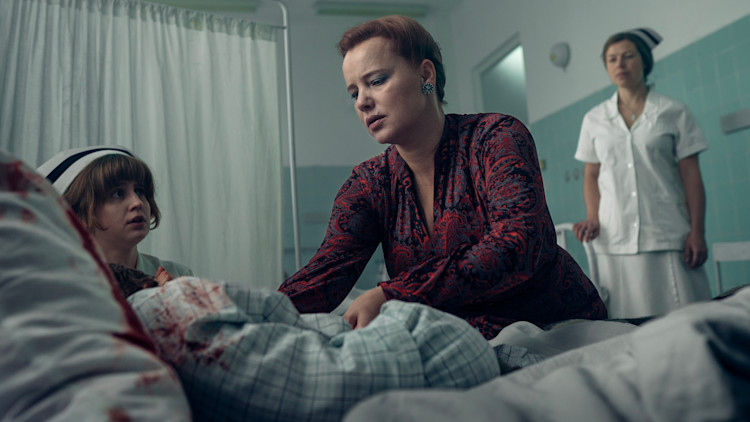
Lead Children is now streaming on Netflix, bringing one of Poland’s most disturbing public-health scandals to a global audience. The six-part Polish historical drama, originally titled Ołowiane dzieci, transforms real events into a tense narrative about medical ethics, political pressure, and moral resistance. Inspired by documented history, the series follows a doctor who uncovers widespread lead poisoning among children and refuses to accept institutional silence as an answer.
Set in the industrial heart of 1970s Upper Silesia, Lead Children feels urgently contemporary in its exploration of environmental responsibility, state denial, and the personal cost of telling the truth. Now available to stream, the series blends intimate character drama with systemic confrontation. Here is everything to know about Lead Children — from the plot and cast to themes and why it is already drawing attention.

Lead Children: All the key details
- Title: Lead Children
- Original title: Ołowiane dzieci
- Format: Limited series
- Episodes: 6
- Genre: Historical drama
- Country of production: Poland
- Original language: Polish
- Release date: February 11, 2026
- Director: Maciej Pieprzyca
- Lead cast: Joanna Kulig, Kinga Preis, Michał Żurawski
- Platform: Netflix
- Based on: Inspired by true events
What Lead Children is about
Lead Children tells the story of a young doctor, Jolanta Wadowska-Król, working in 1970s Upper Silesia. While treating children in communities surrounding the Szopienice Steelworks, she begins to notice a deeply troubling pattern: an unusually high number of young patients are falling seriously ill. Medical tests reveal the cause to be lead poisoning, the result of long-term exposure to heavy metal contamination linked to industrial activity.
You may also like ►A new frontier epic arrives on Netflix: Train Dreams is the drama everyone’s talking about
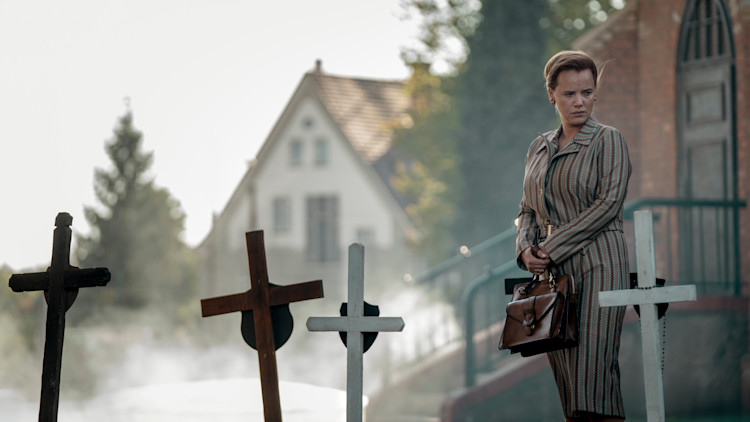
As Jolanta documents the scale of the crisis, her work takes on a far greater weight. Attempting to save the affected children means confronting an oppressive communist state apparatus determined to suppress evidence of the disaster. What begins as a clinical investigation evolves into a political and moral struggle, with the doctor forced to risk her career, safety, and future in order to protect families left without a voice.
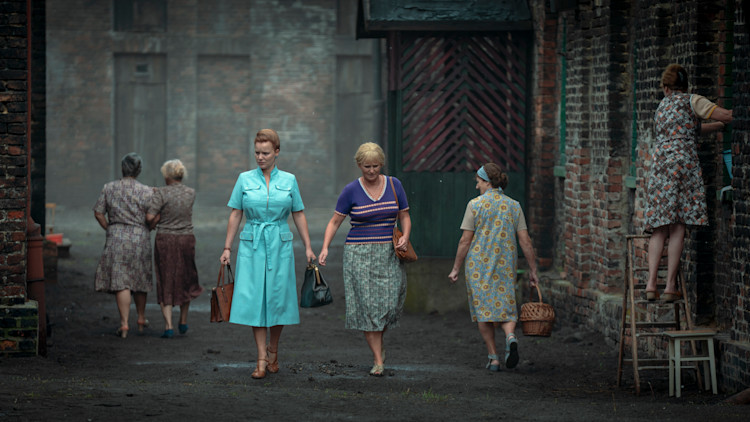
The series immerses viewers in the industrial atmosphere of Upper Silesia in the 1970s, a working-class region shaped by factories, pollution, and ideological control. Within this environment, dangerous political pressures collide with Jolanta Wadowska-Król’s growing social mission, turning Lead Children into a tense drama about responsibility, resistance, and the cost of telling the truth.
Lead Children cast: the main characters
The series is led by Joanna Kulig as Jolanta Wadowska-Król. Kulig is internationally recognized for her acclaimed performance in Cold War and has also appeared in high-profile streaming productions including The Eddy. In Lead Children, she anchors the narrative with a performance built on restraint, resolve, and emotional precision.
Speaking about the role, Kulig described the series as a story about resistance and inner strength. She said that what struck her most about Wadowska-Król was her honesty, extraordinary courage, persistence, and uncompromising nature, adding that the character’s life raises an uncomfortable question: whether any of us would find the strength to stand alone against an entire system. Kulig has also noted that the preparation and atmosphere on set allowed her to fully immerse herself in the role, calling the experience “fascinating, intense, and exhausting,” and emphasizing that this intensity was essential to portraying the truth of the character.
The cast also includes Kinga Preis and Michał Żurawski in key supporting roles, contributing to a grounded ensemble that reinforces the series’ sense of realism and moral weight.
Early reactions and buzz
Early attention around Lead Children has focused on its real-world inspiration, its industrial 1970s setting, and the credibility of its creative team. As a six-episode limited series to be released globally on Netflix, it is already being positioned as a prestige historical drama aimed at audiences drawn to socially engaged storytelling.
Is Lead Children based on a true story?
Lead Children is inspired by real events surrounding lead poisoning among children living near industrial plants in Upper Silesia during the communist era. The series dramatizes these events through the perspective of Jolanta Wadowska-Król, grounding its narrative in documented environmental and medical history while shaping it into a character-driven drama.
Behind the scenes and production notes
The series is directed by Maciej Pieprzyca, known for his grounded, character-focused approach to socially conscious storytelling. Filmed to reflect the harsh industrial landscape of Upper Silesia, the production emphasizes authenticity through its locations, period detail, and restrained visual style, reinforcing the sense of pressure and confinement experienced by its central character.
Why Lead Children is worth adding to your watchlist
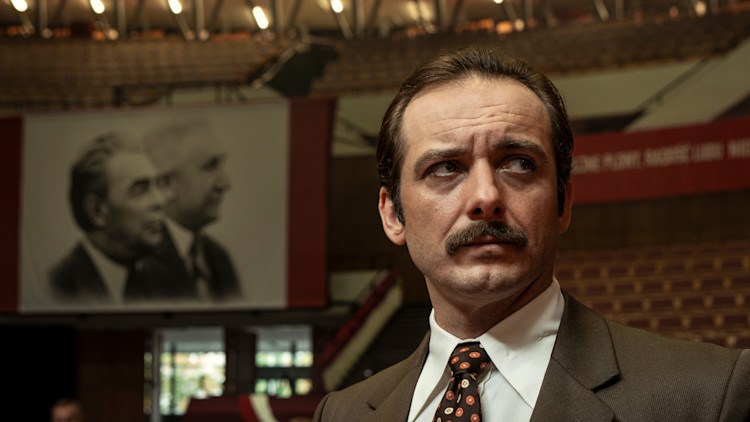
Lead Children stands out as a historical drama that transforms institutional silence into narrative tension. If you enjoy fact-inspired series that explore moral courage under political pressure, this Netflix limited series offers a compelling blend of human drama and historical reckoning, anchored by a powerful central performance.
Lead Children release date and platform
Lead Children is now streaming on Netflix as of February 11, 2026. The six-episode Polish historical drama draws on real events and explores environmental responsibility, institutional denial, and personal courage in 1970s Upper Silesia. With its focused structure and fact-inspired narrative, the series adds a socially charged title to Netflix’s international slate. Watch on Netflix.
Watch the trailer
Here’s the trailer to get a first taste.
