
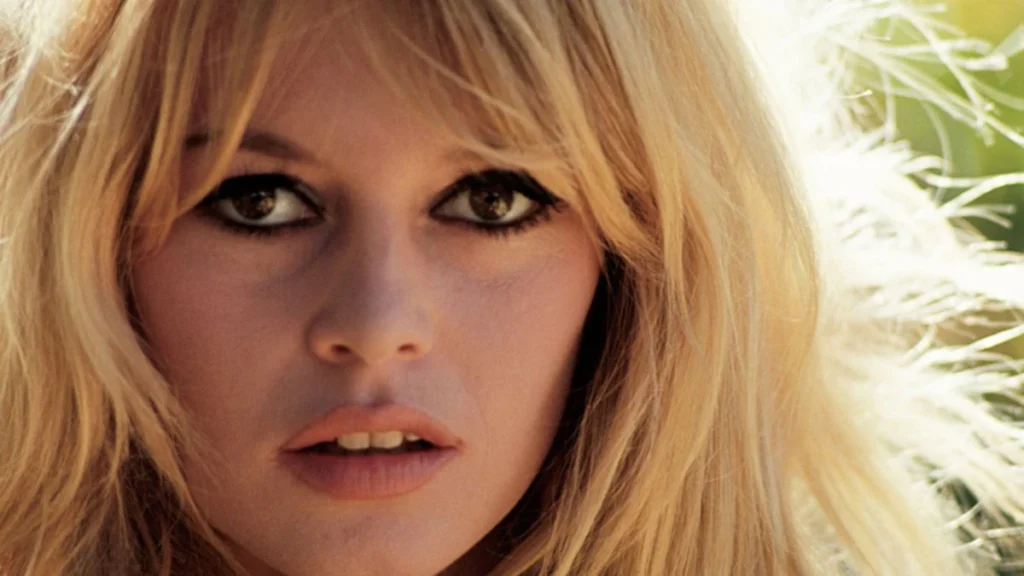
Brigitte Bardot, the French actress whose image came to define a new era of postwar stardom and whose later life was devoted to animal welfare activism, has died at the age of 91, her foundation announced Sunday. She died at her home in southern France, according to reports. No cause of death was disclosed in the initial announcements.
Bardot was one of the most recognizable faces in European cinema in the 1950s and 1960s, propelled to international fame by And God Created Woman (1956). The film’s impact reached far beyond the box office, cementing her as a cultural symbol whose influence extended into fashion, photography, and the global idea of French glamour.

From breakout star to international icon
Born in Paris in 1934, Bardot moved from modeling into film while still a teenager and became a worldwide sensation in her early twenties. Over the next decade, she anchored films that ranged from pop-cultural phenomenon to auteur cinema, including La Vérité (1960), Jean-Luc Godard’s Contempt (1963), and Viva Maria! (1965).
Her screen persona, often associated with an unguarded, free-spirited modernity, made her a defining figure of her time. She was also linked to Marianne, the emblematic figure of the French Republic, further reinforcing her status as more than a movie star in the national imagination.
READ ALSO ▶Chris Rea, singer-songwriter behind Driving Home for Christmas, dies at 74
Retirement and a second life in activism
Bardot stepped away from acting in 1973, leaving cinema while still a global celebrity. In the years that followed, she refocused her public life around animal welfare, becoming one of the most prominent campaigners for animal rights to emerge from the entertainment world.
In 1986, she created the Brigitte Bardot Foundation, which went on to shape her later reputation as a relentless advocate against animal cruelty. The foundation described her as a world-renowned performer who gave up a prestigious career to devote her life and energy to the defense of animals.

Tributes: a national icon remembered
The death of Brigitte Bardot prompted a wave of measured, official tributes that reflected the breadth of her impact, from cinema to animal welfare, and the uniquely complex place she occupied in French public life.
In France, the reaction was led at the highest level of state. President Emmanuel Macron acknowledged Bardot as a figure who projected French culture far beyond national borders, noting her role in shaping the international image of French cinema during the post-war decades. His remarks placed her alongside the small group of artists whose influence extended well beyond the screen and into the country’s cultural identity.
France’s Ministry of Culture echoed that assessment, situating Bardot among the most consequential screen figures of the 20th century. The ministry emphasized how her stardom altered the language of celebrity and female representation in European cinema, particularly during the transformative years of the 1950s and 1960s.
Within the film world, institutions rather than individuals set the tone. The Cannes Film Festival referenced Bardot’s importance to the global visibility of French and European auteur cinema, recalling her collaborations with directors who would later define the international reputation of French film. Retrospective coverage across major cultural outlets similarly framed her as a performer whose screen presence became a subject of academic study and long-running critical debate.
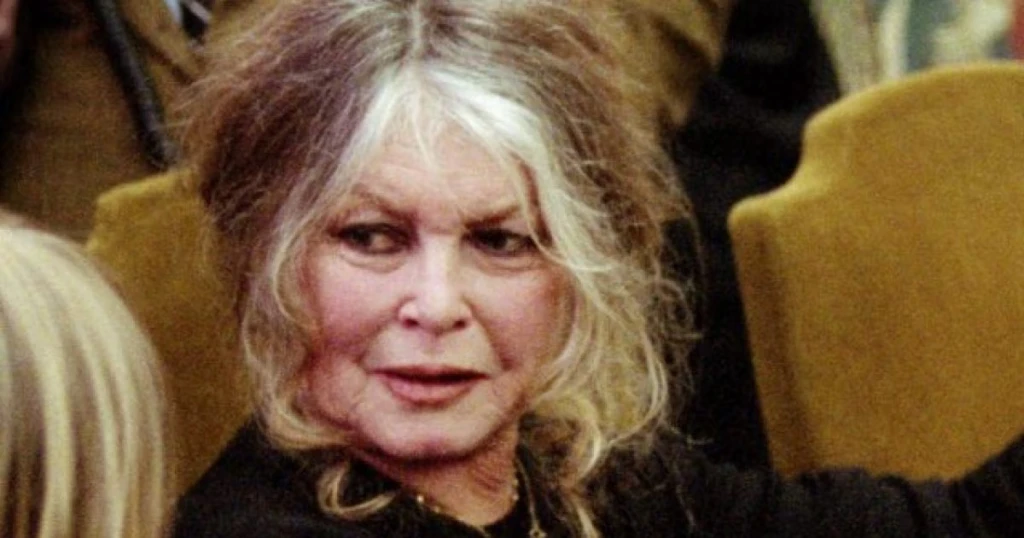
Beyond cinema, tributes also underscored the second half of Bardot’s life, which she devoted almost entirely to animal welfare. International animal-rights organizations and advocacy groups highlighted the scope and longevity of her work through the Brigitte Bardot Foundation, describing her as one of the most visible and persistent advocates to emerge from the world of entertainment. These acknowledgments focused not on her celebrity, but on the institutional legacy she built after leaving film.
At a local level, officials in Saint-Tropez, where Bardot lived for decades, recognized her as a defining presence in the town’s modern history. Their statements reflected how closely her personal story became intertwined with the place itself, transforming it into a lasting symbol of her public and private life.
Taken together, the tributes converged on a consistent portrait: Brigitte Bardot as a figure impossible to reduce to a single chapter. She was remembered simultaneously as a screen icon who helped reshape modern cinema, and as a public figure who abandoned fame to pursue a cause with rare determination. The tone of the responses reflected that duality, acknowledging both the magnitude of her cultural influence and the enduring imprint of her activism.
