
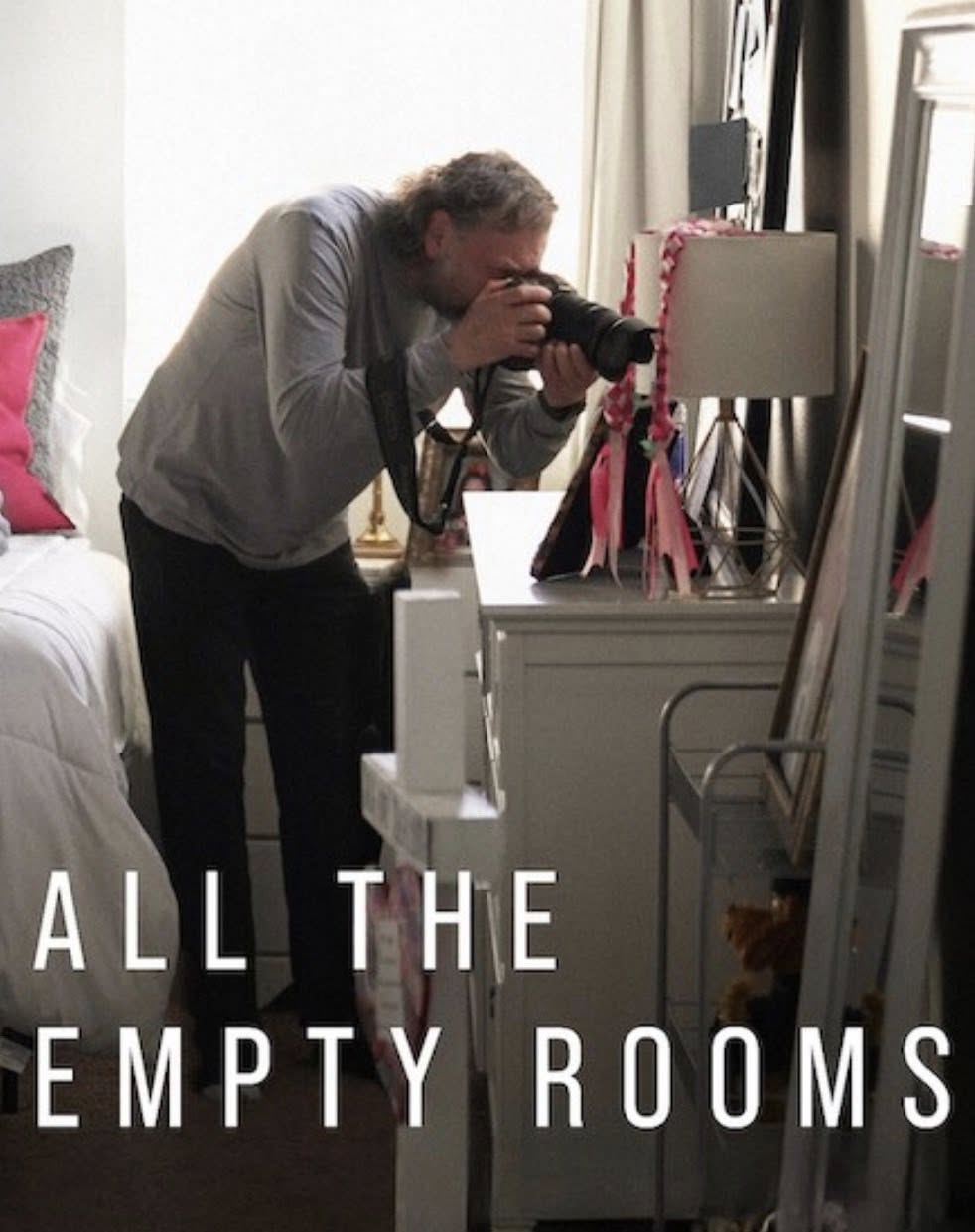
On Netflix USA, few new releases feel as quietly devastating as All the Empty Rooms, a 2025 documentary short directed by Oscar-nominated filmmaker Joshua Seftel. Running just over half an hour, the film follows journalist Steve Hartman and photographer Lou Bopp as they travel across the United States, visiting bedrooms left untouched after children were killed in school shootings.
Rather than focusing on perpetrators or politics, the documentary lingers on ordinary objects and frozen spaces, letting grief speak through the silence of posters, toys and unmade beds. It is a work of restraint, built around still images and intimate testimony, asking viewers to confront the weight of absence rather than the noise of debate. Released on Netflix on December 1, 2025, it is already emerging as one of the platform’s most urgent and emotionally charged short films of the year. Here is everything you need to know about All the Empty Rooms on Netflix USA – from its premise and creative team to early reactions, themes and where to watch.The trailer is at the end of the article.
What All the Empty Rooms is about
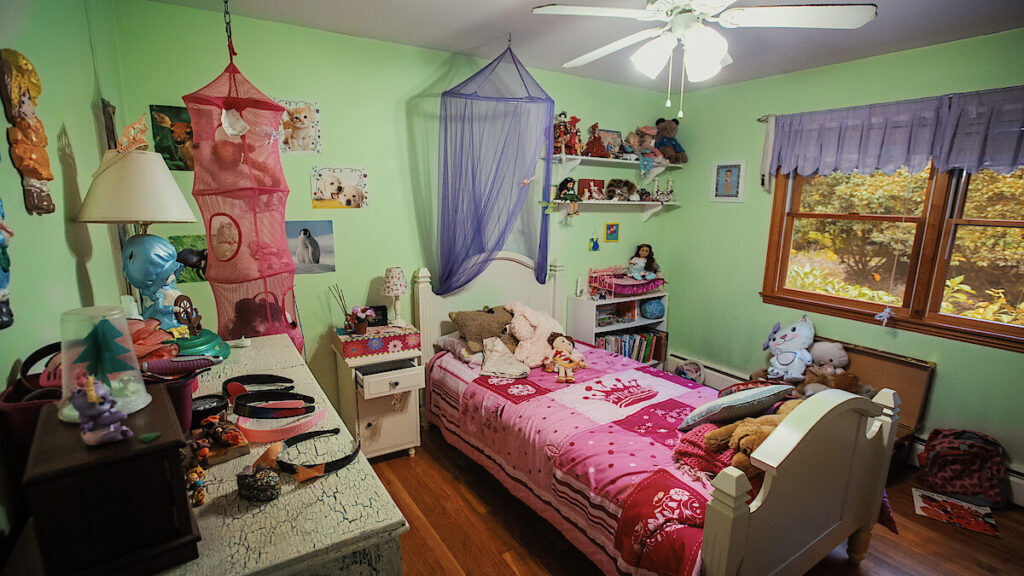
At the heart of All the Empty Rooms is a simple, devastating idea: to memorialize children lost in school shootings through the bedrooms they left behind. Over a seven-year period, Steve Hartman and Lou Bopp visit families across the country who have preserved their children’s rooms as sacred spaces, keeping everything exactly as it was on the last day of their lives. The film introduces viewers to rooms belonging to victims such as Dominic Blackwell, Hallie Scruggs, Jackie Cazares and Gracie Muehlberger, using their belongings – from unfinished homework to clothes still hanging in closets – as the starting point for conversations about memory and love.
Rather than relying on graphic footage or dramatic reenactments, the documentary leans into quiet, lingering shots and reflective interviews. Each room becomes a portrait: lights left on, laundry never folded, favorite toys carefully arranged by parents who cannot bear to move them. Through these details, All the Empty Rooms shifts attention away from killers and statistics and toward the irreplaceable lives that were taken, turning domestic spaces into powerful, intimate memorials.
The people behind the documentary
All the Empty Rooms is directed and produced by Joshua Seftel, whose previous documentary short Stranger at the Gate brought him international recognition and an Academy Award nomination. His career spans narrative features, television and nonfiction, but he has consistently gravitated toward stories that explore empathy, prejudice and the complexities of American life. In a Netflix Tudum interview, Seftel describes this new film as being “about silence,” emphasizing how unspoken grief and the stillness of these rooms carry an emotional force that words often cannot.
The project originated when Steve Hartman, widely known for his human-interest reporting for CBS News, reached out to Seftel after years of covering lighter, uplifting stories. Seftel has recalled how, after repeated school shootings like Sandy Hook and Parkland, he began to feel numb as a parent and storyteller, and the call from Hartman pushed him toward confronting that numbness directly. Together with photographer Lou Bopp, they embarked on a multi-year journey to document these bedrooms, returning again and again to families who chose to preserve the spaces as acts of remembrance.
Behind the camera, the film benefits from an experienced nonfiction team. Cinematographer Matt Porwoll gives the rooms a gentle, reverent visual language, while editors Erin Casper, Stephen Maing and Jeremy Medoff shape the footage into a compact but emotionally layered narrative. Composer Alex Somers adds a restrained, haunting score that underscores the film’s sense of quiet, focusing on atmosphere rather than melodrama.
Why this short film matters now
The United States has endured a long and painful history of school shootings, and many viewers now encounter news of such events with a mix of horror and numbness. All the Empty Rooms speaks directly to that emotional fatigue by slowing everything down and concentrating on individual families, asking audiences to sit with their stories instead of moving on to the next headline. It is not a policy documentary, nor does it attempt to provide solutions. Instead, it insists that before any conversation about change can be honest, it must fully acknowledge the human cost.
By centering parents and siblings, the film highlights the long arc of grief that extends well beyond breaking-news coverage. Years after the cameras leave, these families are still saying goodnight to children who are no longer there, still dusting trophies and rearranging stuffed animals in rooms that have become shrines. In giving them space to speak and remember, All the Empty Rooms becomes a kind of cinematic vigil – one that may resonate deeply with viewers who feel that the national conversation too often forgets the victims themselves.
Release date, runtime and where to watch All the Empty Rooms
All the Empty Rooms had its world premiere at the 52nd Telluride Film Festival on August 31, 2025, before screening at the Toronto International Film Festival and other fall events. Netflix acquired worldwide rights out of Telluride and added the film to its catalog on December 1, 2025, positioning it among the platform’s key documentary titles for the end-of-year awards season. With a runtime of approximately 33 minutes, it is classified as a documentary short film and carries a PG-13 rating for thematic material.
In the United States, All the Empty Rooms is available to stream exclusively on Netflix, with the option to download for offline viewing on supported devices. The film’s brevity makes it easy to fit into a single evening, but its subject matter and emotional impact are likely to linger long after the credits roll.
Watch on Netflix: All the Empty Rooms on the official platform page
Critical response and early buzz
Early critical reaction to All the Empty Rooms has been strong. Reviewers have praised the film’s restraint, its refusal to sensationalize tragedy and its focus on the victims’ lives rather than the violence that ended them. Festival coverage has described the short as deeply human and morally clear, and some commentators have already suggested it could be a serious contender in the documentary short categories of upcoming awards races.
On review aggregators, the film currently holds a very small but positive set of early critic notices, reflecting both its recent release and its short length. Publications like Time and streaming-focused outlets have highlighted the documentary’s capacity to make viewers feel the weight of each story without resorting to graphic imagery or didactic messaging. Instead, they emphasize how each empty room, carefully documented by Hartman and Bopp, becomes a quiet argument for remembrance.
All the key details about All the Empty Rooms
- Title: All the Empty Rooms
- Format: Documentary short film
- Genre: Documentary, social and cultural issues
- Country of production: United States
- Original language: English
- Runtime: Approximately 33 minutes
- Director: Joshua Seftel
- Producers: Joshua Seftel, Conall Jones, James Costa, Trevor Burgess
- Music: Alex Somers
- Cinematography: Matt Porwoll
- Editing: Erin Casper, Stephen Maing, Jeremy Medoff
- Main subjects: Steve Hartman, Lou Bopp and families of children killed in school shootings
- World premiere: 52nd Telluride Film Festival, August 31, 2025
- Other key festivals: Toronto International Film Festival 2025
- Release date on Netflix USA: December 1, 2025
- Production companies: Smartypants, Artemis Rising Foundation, Hyperobject Industries
- Platform: Netflix (United States and other territories)
Why All the Empty Rooms should be on your Netflix watchlist
If you gravitate toward intimate, issue-driven documentaries that prioritize human stories over political argument, All the Empty Rooms is essential viewing. Its short runtime makes it accessible, but the emotional charge of its images and testimonies is profound, inviting viewers to pause and truly consider what has been lost. Seftel’s direction, combined with Hartman and Bopp’s long-term commitment to these families, results in a film that feels less like a news report and more like a communal act of remembrance.
In a crowded streaming landscape, All the Empty Rooms stands out precisely because it does not raise its voice. It lets the rooms, the objects and the parents speak at their own pace, turning everyday spaces into quiet, haunting monuments. For Netflix subscribers looking for a powerful, thought-provoking documentary that can be watched in a single sitting yet discussed for much longer, this is one title that deserves a place at the top of the queue.
