
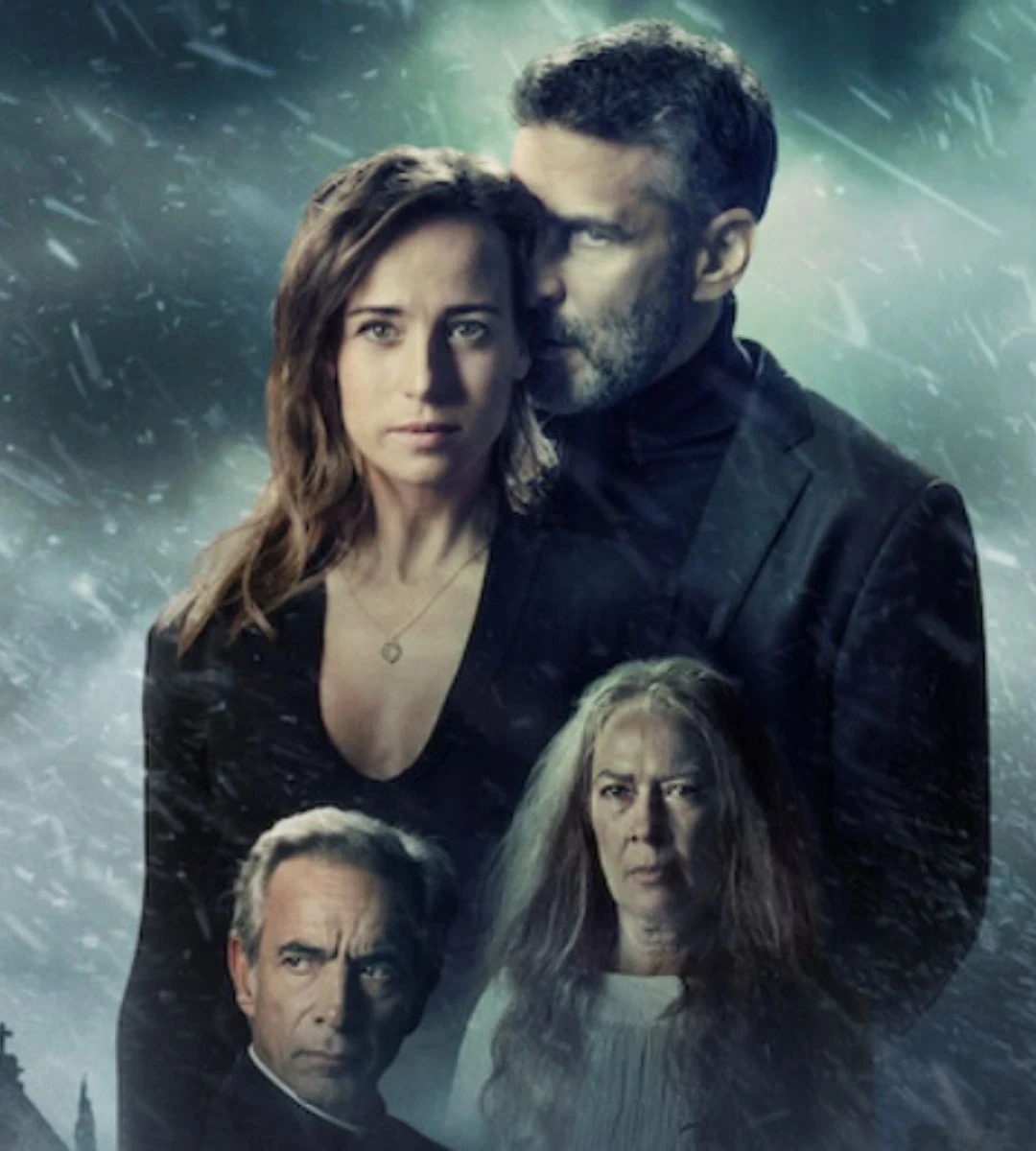
The final chapter of one of Netflix’s darkest crime sagas doesn’t ease off the tension – it deepens it. Directed by Fernando González Molina, Offering to the Storm brings the Baztán Valley trilogy to its unsettling conclusion, continuing the story that began with The Invisible Guardian, adapted from Dolores Redondo’s bestselling novels. Set against the brooding landscapes of Pamplona and rural Navarra, the film follows investigator Amaia Salazar as she is pulled back into a case where ancient myths, buried trauma, and unsolved crimes blur into obsession.
Bleak, atmospheric, and threaded with supernatural unease, the film captures everything that made the trilogy so gripping: a sense of inherited evil, rituals hidden in plain sight, and a past that refuses to stay buried. Spanish cinema once again turns rural reality into legend and nightmare, delivering a finale that lingers long after the credits roll. Here’s everything you need to know about the film. [TRAILER at the bottom]
See also ► Netflix global Top 10: the movies everyone is watching all over the world today

- Original title: Ofrenda a la tormenta
- Format: feature film
- Running time: 2h 19 min
- Genre: thriller, crime, mystery
- Country of production: Spain
- Original language: Spanish
- Year: 2020
- Director: Fernando González Molina
- Main cast: Marta Etura, Leonardo Sbaraglia, Francesc Orella, Itziar Aizpuru
- Production: Atresmedia Cine / Netflix
In Pamplona, the capital of Navarre, Inspector Amaia Salazar is called in to investigate the death of a newborn baby, believed to have been stillborn. The case takes a disturbing turn when the child’s father is arrested while trying to flee with the infant’s body, speaking cryptically of an “offering.” Suspicious marks on the baby’s face raise further questions, while the family’s grandmother introduces a darker element, invoking Inguma, a mythical creature said to steal souls during sleep. If you’re drawn to expertly crafted thrillers with a strong ensemble cast, this Spanish title deserves your attention.
The investigation leads Amaia back to the Baztán Valley, where unsettling similarities begin to surface in older cases. When a well-known criminal dies in prison, the situation grows even more complex, pushing the inquiry into deeply personal territory and setting up a collision between rational investigation and supernatural belief. The atmosphere is dense and oppressive, built on the tension between tradition and modernity, faith and superstition. Offering to the Storm retains the unmistakable identity of the Baztán trilogy, blending crime thriller elements with Basque mythology, stark landscapes, and Fernando Velázquez’s unsettling, almost anxiety-inducing score.
Read also ► A brutal message carved into Barcelona’s skyline: Netflix’s gripping new Spanish thriller
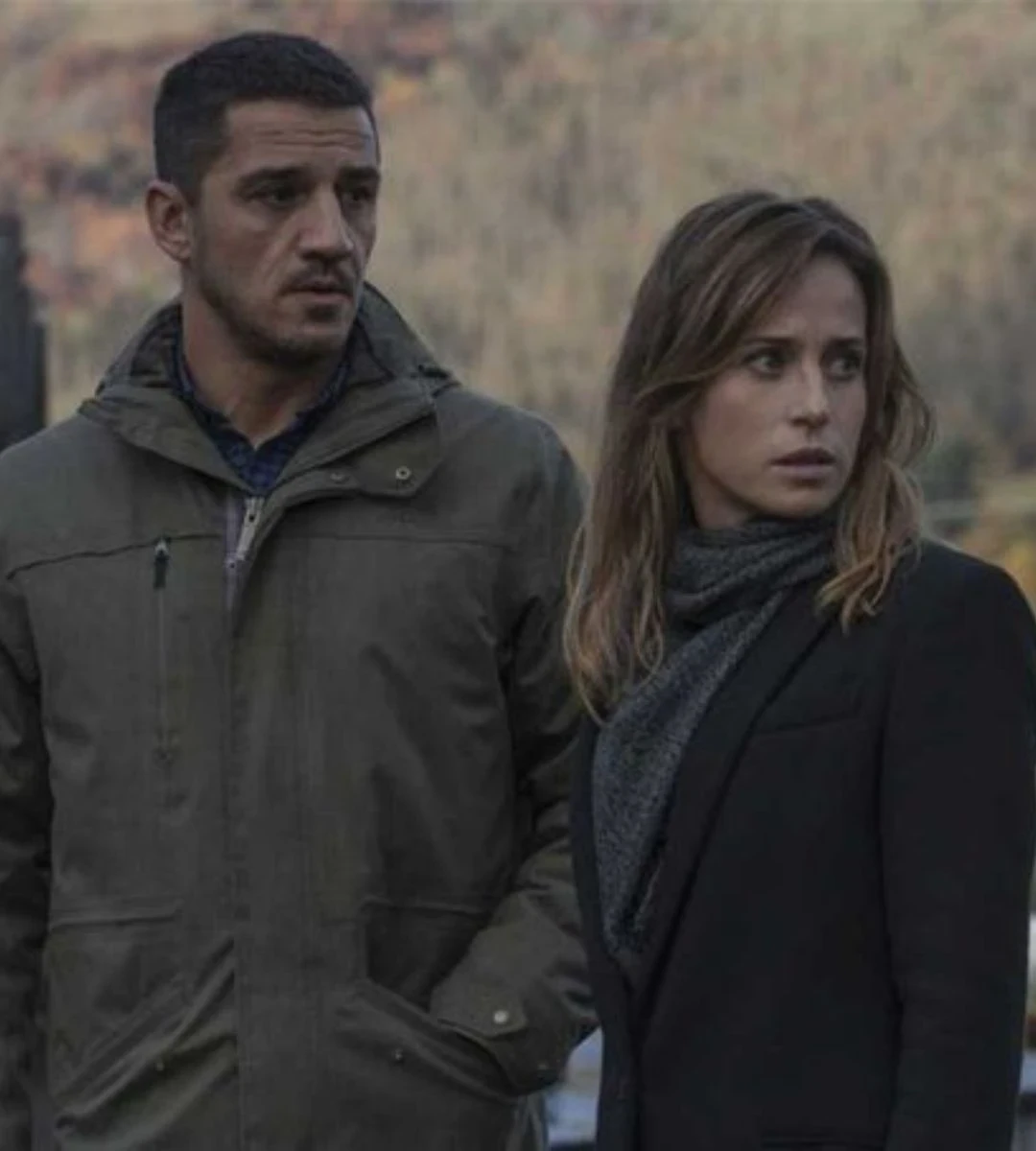
The cast
The trilogy is anchored by Marta Etura (Sleep Tight) as Inspector Amaia Salazar, whose controlled, introspective performance carries the psychological weight of the story. At the heart of the film lies Amaia’s fractured relationship with her mother Rosario, played with chilling restraint by Susi Sánchez (Pain and Glory, The Platform), a character who embodies the saga’s central tension between rational investigation and inherited myth.
Around this emotional core, Carlos Librado returns as Jonan Etxaide, Amaia’s loyal colleague and confidant, offering a grounded counterpoint to her increasingly personal descent into the case. Authority figures grow more ambiguous with Leonardo Sbaraglia as Inspector Markina, whose disturbing presence raises unsettling questions, and Francesc Orella, known for Merlí, as Judge Marquina, a judicial power linked to suspicious prisoner transfers. Completing the mythological layer, Itziar Aizpuru appears as the grandmother, a figure who gives voice to Basque legend and anchors the story’s supernatural undercurrent.
Read also ► On Netflix, a hypnotic psychological thriller where love crosses a dangerous line
Why you should watch Offering to the Storm – Our review
The film serves as the culmination of the Baztán Valley trilogy, a cycle that has steadily won over audiences with its fusion of crime tension, psychological unease, and regional folklore. As a finale, it fully embraces its darkest impulses, delivering an unsettling thriller driven by atmosphere rather than spectacle, and anchored by a compelling central performance. Fernando González Molina’s direction brings narrative coherence to the trilogy’s closing chapter, while the stark landscapes and Fernando Velázquez’s disquieting score deepen the sense of immersion. The result is a conclusion that feels controlled, oppressive, and emotionally resonant, staying true to the saga’s identity while pushing its themes to their most unsettling extremes.
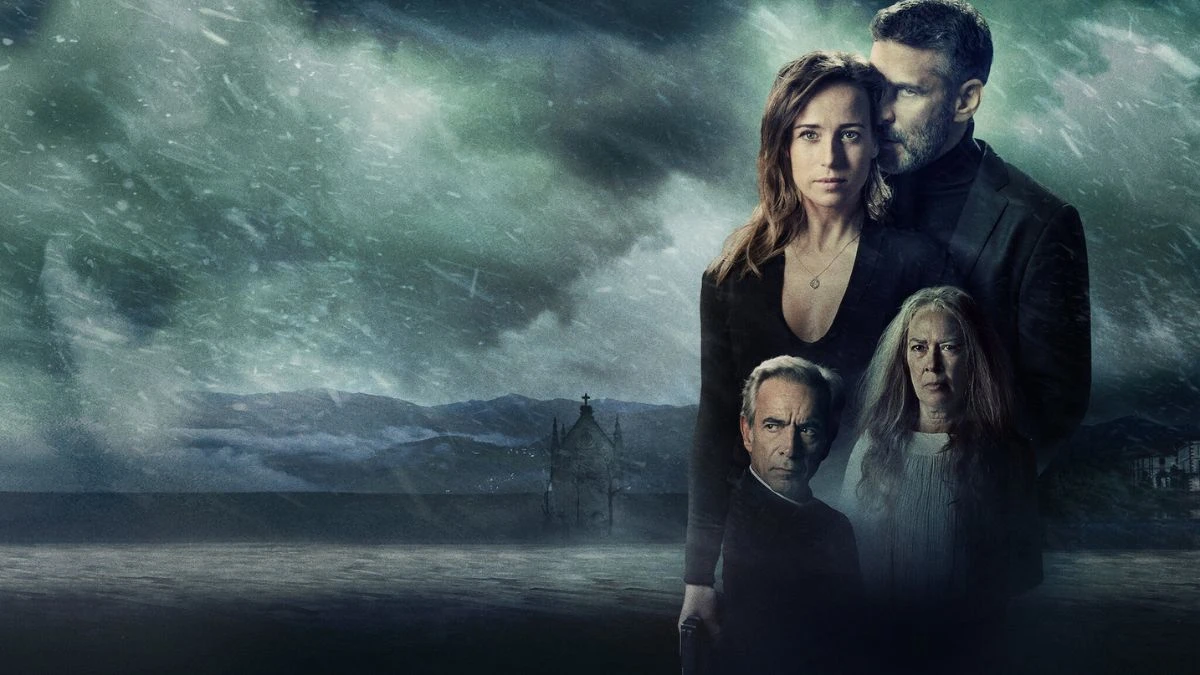
Spanish critics have praised the narrative consistency and the dark tone with which the Baztán trilogy comes to a close. Outlets such as El País and LaHiguera have highlighted the dense atmosphere and visual perfection of the film, thanks in part to Fernando González Molina’s direction. Some reviews have pointed out a slightly slower pace in the second half, but overall the mix of social realism, criminal investigation, and mythological symbolism has won them over. Marta Etura remains the beating heart of the trilogy, bringing humanity and intensity to every scene.
The Baztán trilogy and the original novel
Offering to the Storm is the final part of the film adaptation of Dolores Redondo’s Baztán Trilogy, one of Spain’s biggest literary successes of recent years. Director Fernando González Molina helmed all three films, ensuring stylistic and emotional consistency. The first two, The Invisible Guardian and Legacy of the Bones, are also available on Netflix and are an excellent starting point for diving into the saga.
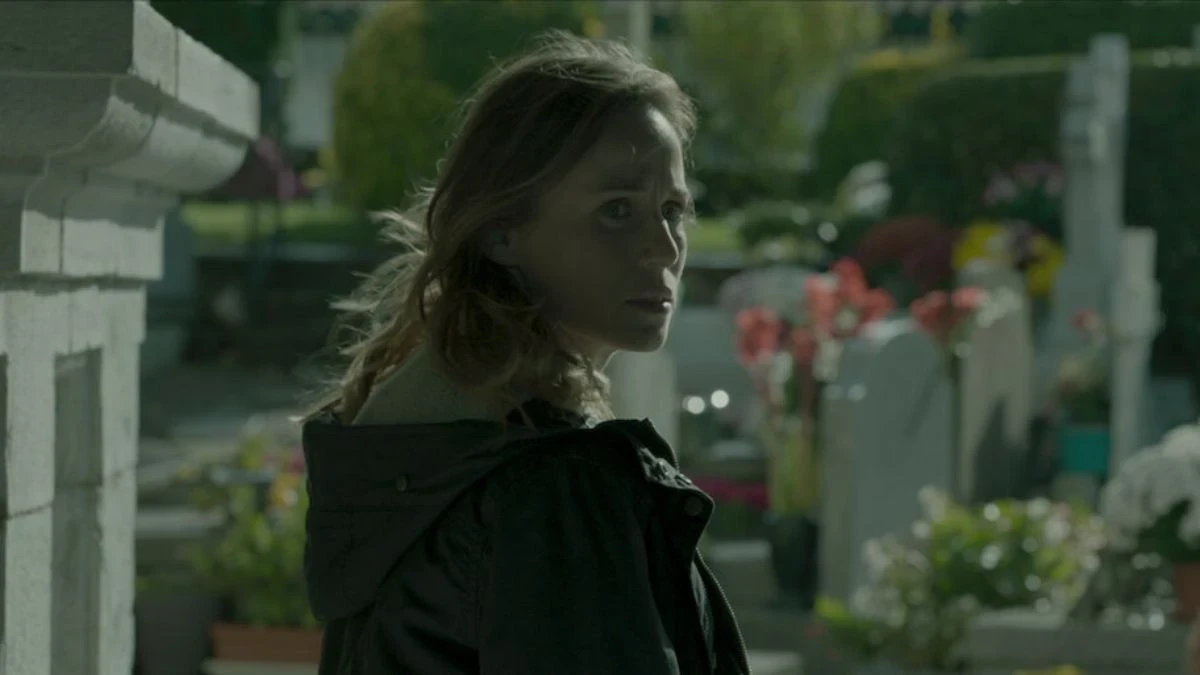
The production, made in collaboration with Netflix and Atresmedia, premiered simultaneously on the platform and quickly established itself asone of the most-watched Spanish thrillers since 2020. Although the film refers to events in the earlier installments of the trilogy, it is not a direct sequel. You don’t need to have seen the others to enjoy it ► Watch on Netflix
