
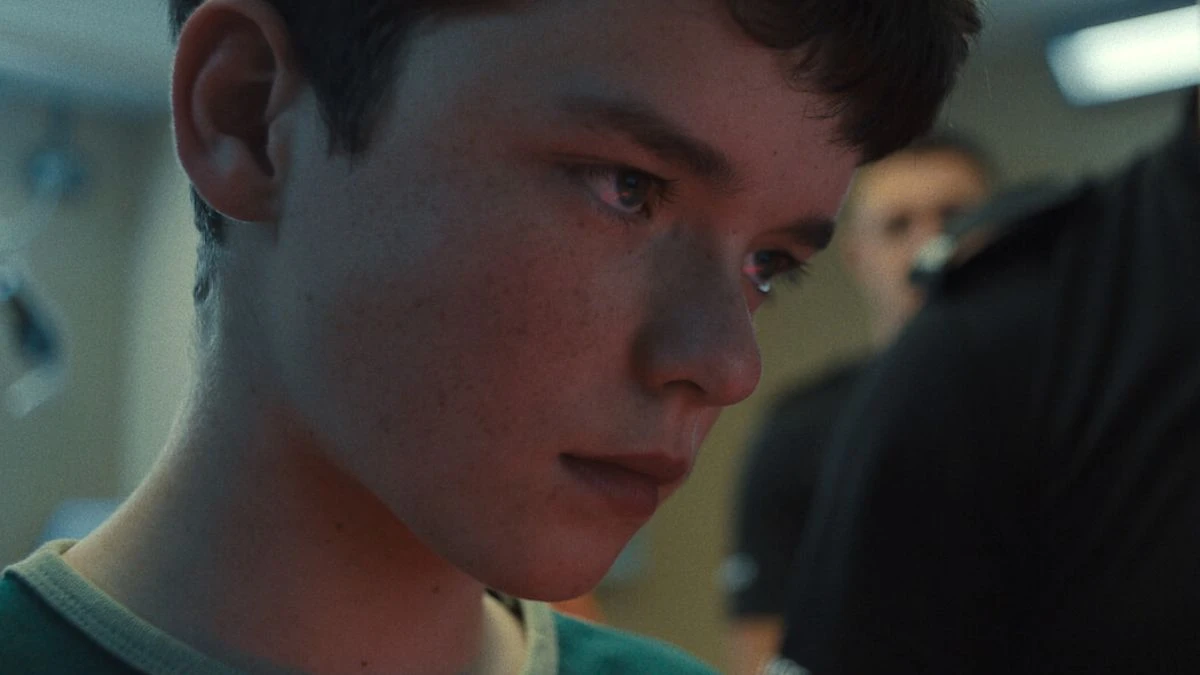
What would you do if your teenage child was accused of murder? That chilling question drives Adolescence, the Netflix miniseries that swept the Emmys, winning eight awards including Outstanding Limited Series. Told across four episodes, each filmed in a single unbroken take, the show traps viewers inside the raw, real-time emotions of its characters. At its center is Owen Cooper, whose Emmy-winning performance captures both the fragility and volatility of adolescence. With stark realism and relentless visual tension, the series delivers one of Netflix’s most disturbing stories. But is Adolescence really based on a true story? Let’s dig in.
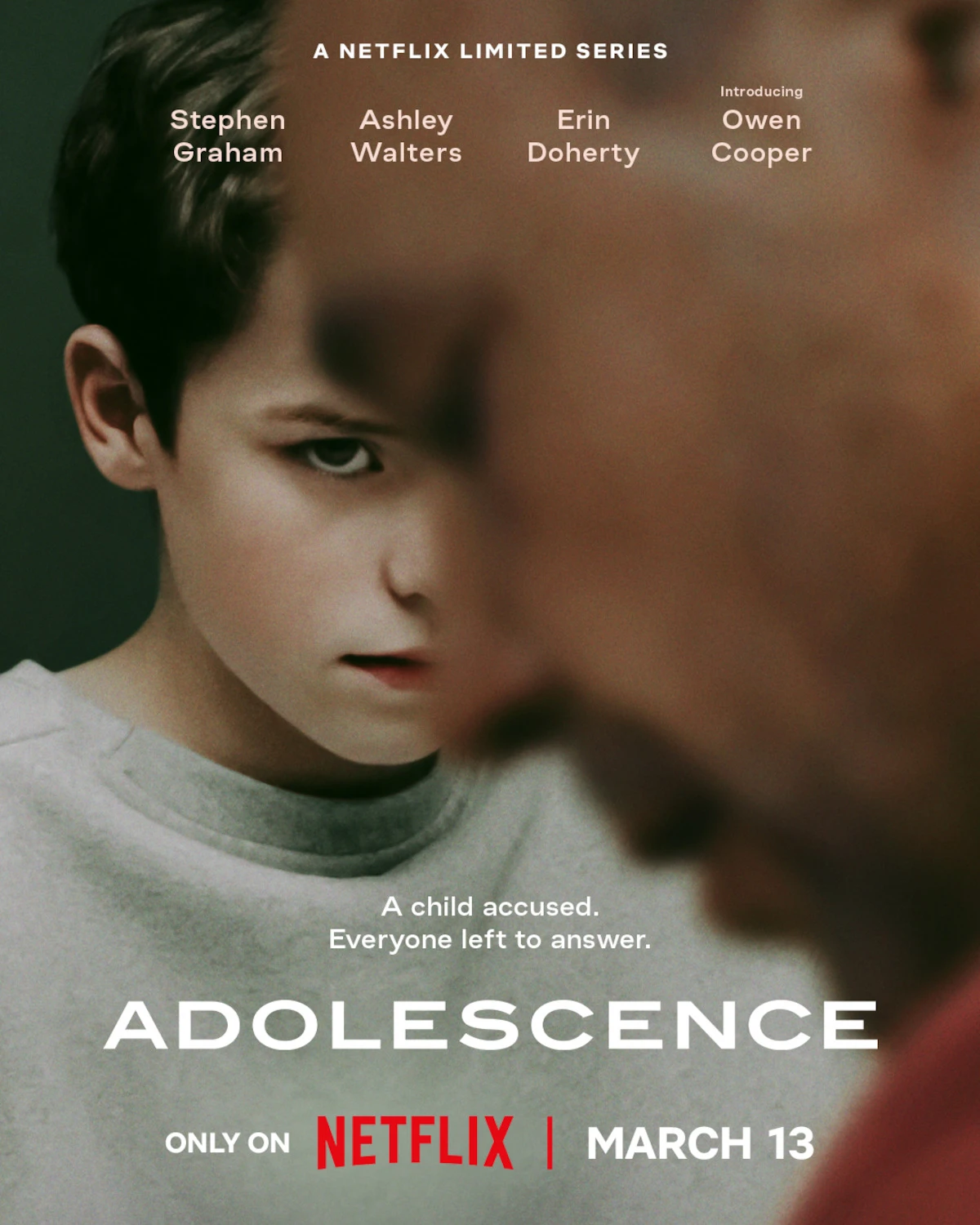
Inspired by real events? Not exactly – but the reality hits close to home
No, Adolescence isn’t based on a true story or any specific real-life case. But as Stephen Graham revealed in a chat with Netflix Tudum, the series was inspired by a sense of unease about today’s world—especially what young people are facing. Graham, who also serves as executive producer, explained:

“There was an incident where a boy—allegedly—stabbed a girl. It shocked me. I was thinking, ‘What’s going on? What’s happening in society where a boy stabs a girl to death? What’s the inciting incident here?’ And then it happened again, and it happened again, and it happened again. I really just wanted to shine a light on it, and ask, ‘Why is this happening today? What’s going on? How have we come to this?’ ”
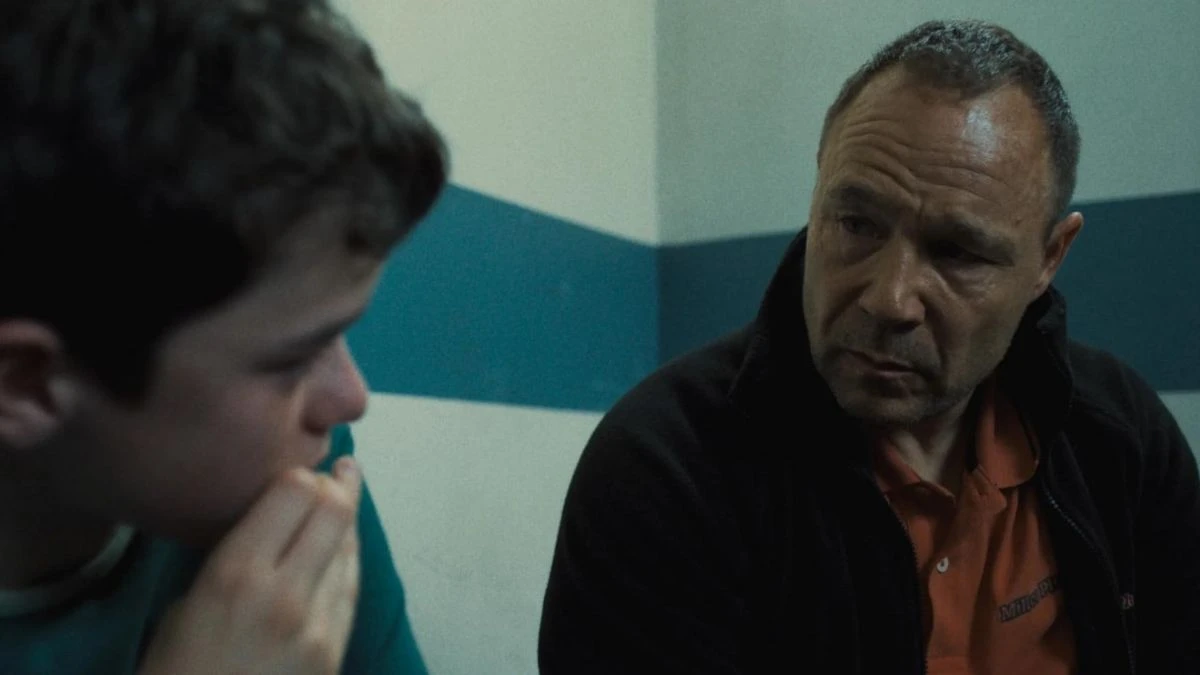
Those reflections fueled a story that, while not pulled from headlines, pulls together real and documented social tensions: the rise of youth violence, the impact of social media on identity, and mounting peer pressure. These themes are staples of the teen drama genre—but in Adolescence, they’re delivered with unique emotional and visual force.
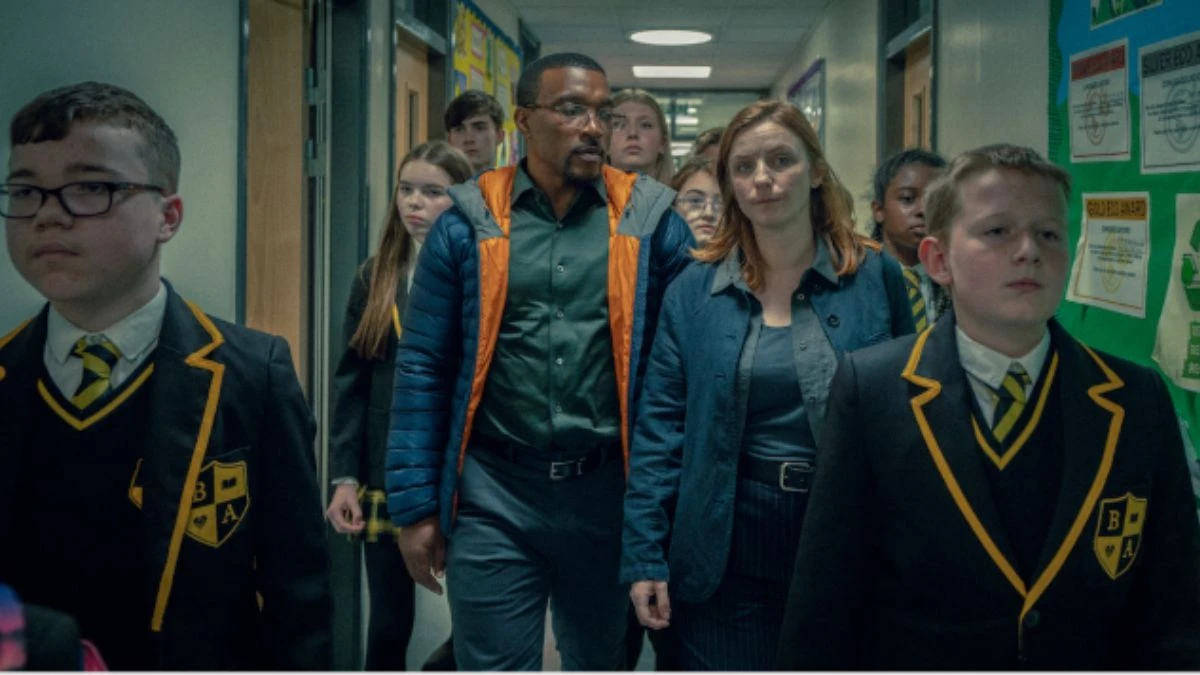
Screenwriter Jack Thorne also spoke about the challenge and bravery this project demanded: “I’ve never taken this kind of journey as a writer, and it both scared and excited me—because I knew I had something important to say.”
Adolescence as a social mirror: a drama that hits hard because it feels real
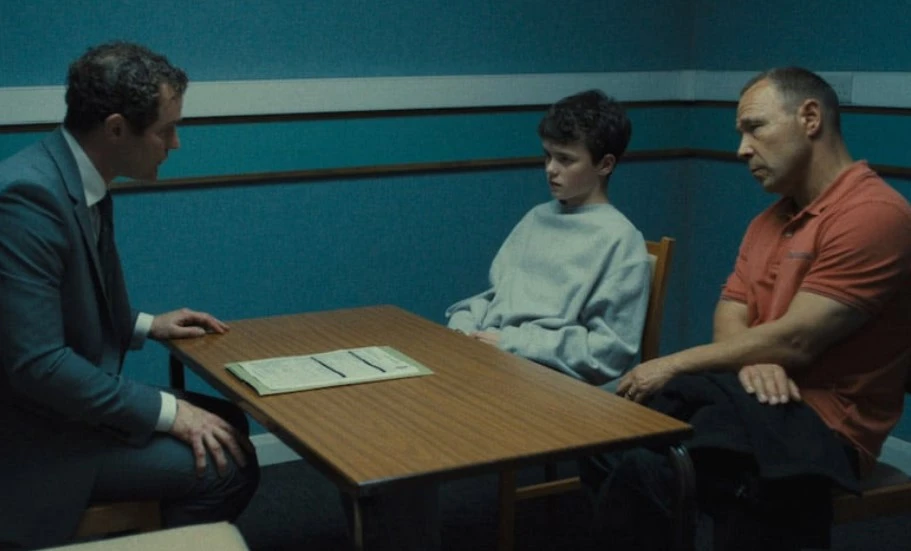
Director Philip Barantini says the drive to tell stories like this comes straight from watching the news: the spike in crimes committed by teenagers in the UK and the shortage of safe spaces where young people can truly express themselves. The series doesn’t offer easy answers, but it does pose the tough questions: What happens when schools let kids down? When parents aren’t present? When the internet becomes a toxic escape?
Adolescence is powerful because it blurs the line between fiction and reality, showing situations that could—and in some cases, already have—happened anywhere. As Pedestrian.tv reports, the show has sparked international debate, thanks to its ability to make viewers think while also unsettling them.
An extreme approach to filmmaking for unfiltered realism
Filmed entirely in a single continuous take, Adolescence pulls viewers straight into its world with no escape. Each episode unfolds through the eyes of a different character, without edits or interruptions, turning everyday spaces into stages of unbearable tension. The relentless real-time storytelling and unblinking camera create an experience that is not only immersive but also unsettling and profoundly human.
A fictional drama that reflects our reality
In the end, Adolescence isn’t based on real events—but it easily could be. Its roots are firmly grounded in the realities many teens face today: insecurity, lack of support, and warped role models. That’s exactly what makes this one of the most gripping and talked-about Netflix series right now.
