

Björn Andrésen, the Swedish actor and musician who became an icon of youthful beauty after his haunting portrayal in Death in Venice, has died at the age of 70. His death was confirmed by his family on Friday.
Discovered at age 15 by director Luchino Visconti, Andrésen’s angelic appearance instantly made him a global sensation—but what followed was a life divided: a mixture of mythic beauty and the burden of being objectified. He later described the role as “a cool summer job” that “ruined his life.”
A career shaped by one unforgettable film
At only 15, Andrésen was cast by Visconti as Tadzio in Death in Venice. The film, based on Thomas Mann’s novella, chronicles an ageing composer’s obsession with a beautiful boy — a performance that earned Andrésen global attention.
Visconti’s process placed him in a highly controlled environment: he was denied the script, forbidden from reading the original book, and heavily managed on-set. The experience was intense. According to the Guardian, when the film premiered at Cannes, he described the atmosphere as “swarms of bats around me… a living nightmare.”
In later years he stepped away from international stardom, focusing instead on music, theatre work in Stockholm, and occasional Swedish film and TV. His role in Midsommar (2019) offered a kind of ironic commentary on his own legend.
Tributes from around the world
Filmmakers, actors, and cultural figures from around the globe have shared heartfelt tributes in memory of Björn Andrésen.
Director Ari Aster, who cast him in Midsommar, described Andrésen as “pure poetry — both in his youth and in his later years.” He added that the actor’s presence on set was “gentle, mysterious, and deeply human,” and said he felt “honoured to have known him.”
Raffaella De Laurentiis, daughter of actress Silvana Mangano, also shared a moving message, calling Andrésen “that face of eternal youth — fragile, radiant, and unforgettable.”
Swedish Prime Minister Ulf Kristersson paid tribute to him as “a national treasure who captured the contradictions of beauty and sorrow like no one else.”
Meanwhile, Netflix Europe, which distributed The Most Beautiful Boy in the World, posted a message that read: “Rest in peace, Björn Andrésen. Your story reminded the world that beauty can be both a gift and a wound.”
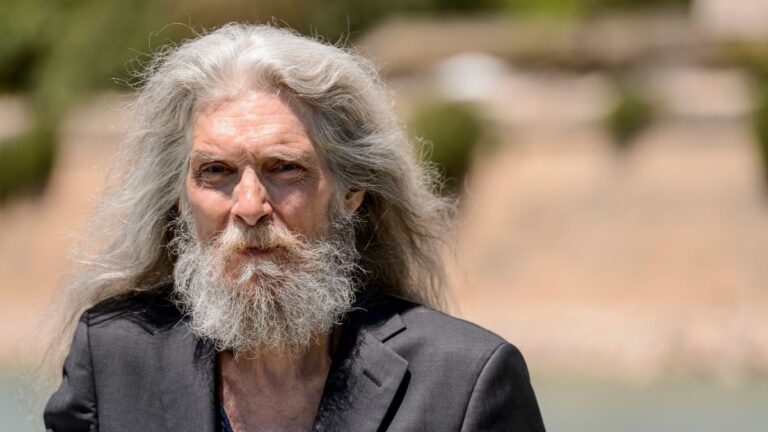
The reluctant icon
Despite being immortalised as a symbol of beauty, Andrésen often spoke about the toll it took. In the documentary The Most Beautiful Boy in the World, he described the experience as being “trapped in someone else’s dream.”
He also endured significant personal setbacks: his mother died by suicide when he was 10, and he was then raised by his grandmother, who pushed his early career; later he suffered from alcoholism and depression, and lost his nine-month-old son, Elvin, to sudden infant death syndrome.
Legacy and remembrance
Andrésen’s story continues to resonate—not just for his cinematic achievement, but for the reflections it prompts about youth, exploitation, beauty and identity in modern culture. His early fame came at a steep cost—the myth and the human behind it remain inseparable.
His funeral arrangements have not yet been announced. His family has asked for privacy but expressed gratitude for “the outpouring of love from all corners of the world.”
